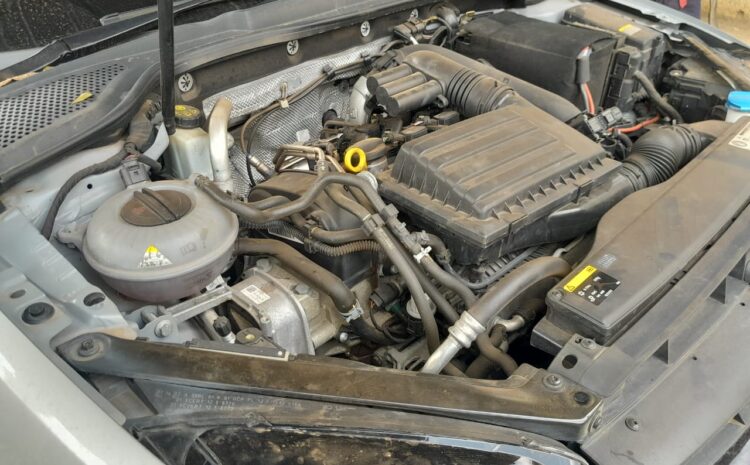
Transmission system.
Transmission system.
At Comrade Auto, we understand that your vehicle’s transmission is not just a mechanical component; it’s the driving force behind your journeys. Our commitment to excellence extends beyond routine maintenance, diving deep into the realm of transmission repair to ensure your vehicle runs as smoothly as the day it left the assembly line.
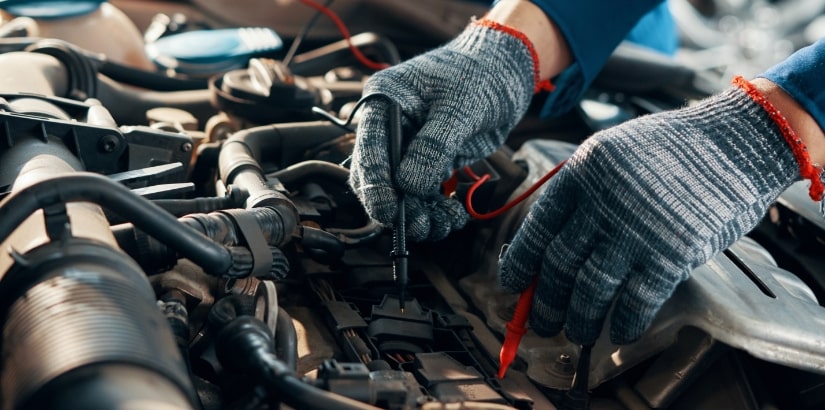
One notable case involved a sophisticated CVT (Continuously Variable Transmission) system, known for its seamless gear transitions. A customer’s vehicle was experiencing unnerving jerks during acceleration, which turned out to be a CVT belt slipping issue. Our team meticulously addressed the problem by replacing the worn belt and conducting a thorough recalibration, ultimately restoring the smooth and efficient power delivery characteristic of CVTs.
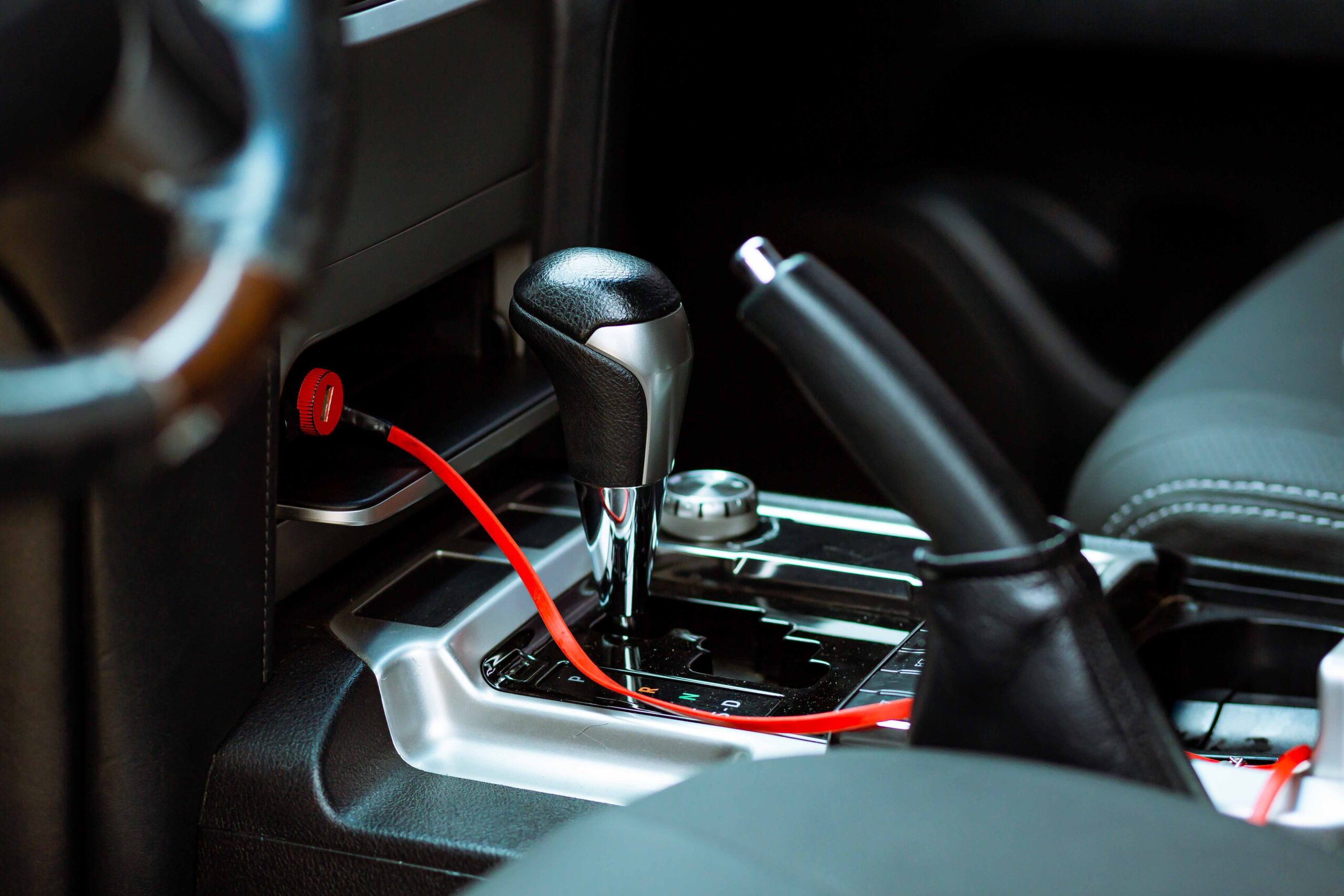
What is Transmission Service All About?
One of the primary components of transmission service is the changing of transmission fluid. Transmission fluid serves as both a lubricant and a coolant for the transmission system. Over time, this fluid can become contaminated with debris and lose its effectiveness. Regular transmission fluid changes involve draining the old fluid, replacing the filter, and filling the system with fresh, clean fluid. This helps maintain proper lubrication, cooling, and smooth shifting of gears.
Transmission Inspection and Diagnostics:
Professionals conduct thorough inspections of the transmission system to identify any potential issues. This includes:
Fluid Level Check: Ensuring the transmission fluid is at the appropriate level is essential for proper function. Low fluid levels can lead to overheating and damage.
Leak Detection: Inspecting for leaks in the transmission system helps prevent fluid loss, which can lead to transmission problems.
Performance Assessment: Technicians use diagnostic tools to assess the transmission’s performance, identifying any unusual noises, vibrations, or difficulties in shifting gears.
Transmission Repairs:
If issues are detected during the inspection, transmission repairs may be required. Common transmission problems include:
Slipping Gears: If your vehicle hesitates or shifts gears unexpectedly, it could indicate a slipping transmission, often caused by worn clutch plates or other internal components.
Hard Shifting: Difficulty in shifting gears smoothly can be due to issues with the clutch, gears, or other mechanical parts.
Warning Lights: Modern vehicles have transmission warning lights that can illuminate if there’s a problem within the transmission system.
Transmission Flush:
In some cases, a transmission flush may be recommended. This involves using specialized equipment to completely replace the old transmission fluid, effectively cleaning the system. However, not all vehicles require a flush, and it’s important to consult your vehicle’s manual and a professional technician before deciding.
Benefits of Transmission Service:
Performance: Regular transmission service helps maintain smooth gear shifts and overall driving performance.
Longevity: Proper maintenance can extend the lifespan of your transmission system, preventing costly replacements.
Fuel Efficiency: A well-maintained transmission can contribute to better fuel efficiency.
Prevention: Regular service can catch potential issues before they escalate into major problems, saving you time and money.
When to replace brake pads?
- Wear indicator on vehicle dashboard
- High pitched squeal when braking
- Brake pedal pulsation or vehicle vibration
- Vehicle pulling or wandering on braking
- Confirm the thickness of the remaining friction
- Inspect the caliper, torque plate, pads, and rotors
- Install new pads and any additional
- Vehicle pulling or wandering on braking
